The Role of YiFan Conveyor Truck Loading Conveyor in Reducing Product Damage During Transit

Product damage during loading and transit represents a hidden cost that many businesses underestimate until they start tracking it carefully across a full shipping cycle. Damaged goods mean returns, replacements, unhappy customers, and sometimes complete write-offs, all of which eat directly into profit margins that are often already thin in competitive shipping and logistics markets. Understanding how loading processes specifically contribute to this damage helps identify practical opportunities for reducing these losses through better equipment and handling procedures.
How Manual Handling Contributes to Product Damage
Manual loading inherently involves more handling touchpoints, and each additional touchpoint introduces another opportunity for products to be dropped, bumped, or improperly stacked during the loading process. Fatigued workers, rushed pacing during busy periods, and inconsistent stacking technique between different crew members all contribute to a less controlled, less predictable loading environment where damage becomes more likely. Recognizing these specific damage sources helps explain why simply asking workers to "be more careful" rarely solves the underlying problem in a meaningful, lasting way.
Consistent Handling Through Automated Systems
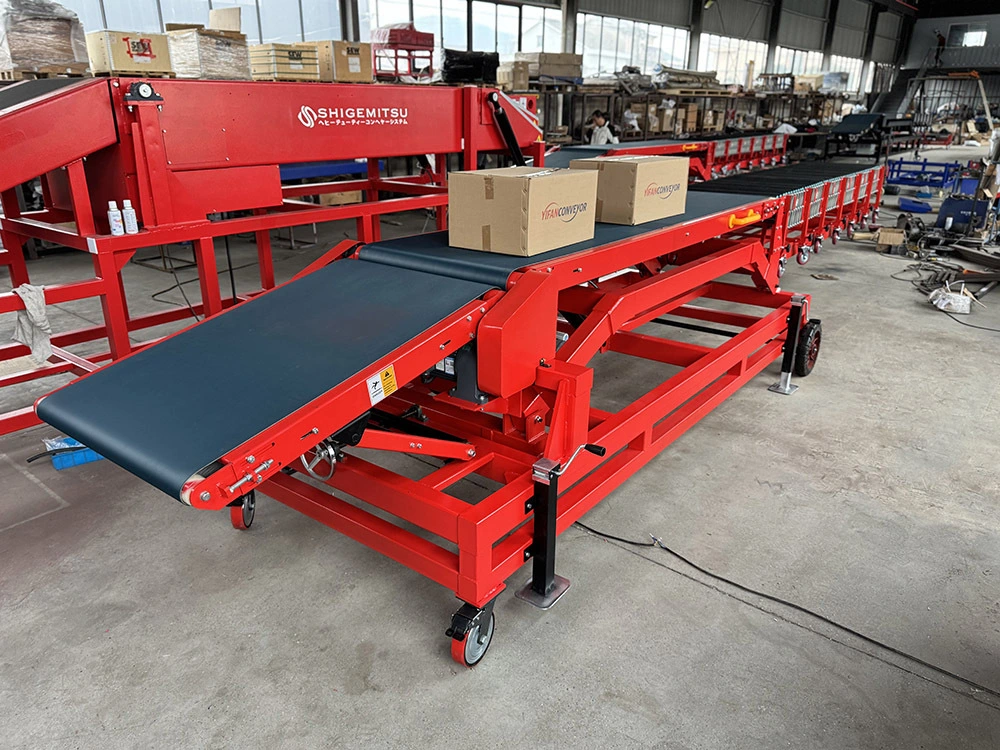
A truck loading conveyor system provides a more consistent, controlled path for goods moving from the warehouse into the trailer, reducing the variability in handling that often leads to product damage during manual processes. Because the conveyor maintains steady speed and controlled positioning regardless of worker fatigue or shift pacing, products experience more predictable handling throughout the entire loading sequence. This consistency translates directly into measurably lower damage rates for businesses that track this metric before and after implementing automated loading equipment.
Protecting Fragile and High-Value Goods
Fragile or high-value products benefit particularly strongly from automated loading, since these items carry the highest cost when damage does occur and often require the most careful handling throughout the entire supply chain process. Conveyor systems can be configured with appropriate speed and drop-height controls specifically suited to more delicate products, offering a level of protection that's difficult to guarantee consistently through manual handling alone. Businesses shipping fragile or premium goods often see the strongest return on investment from loading automation specifically because of this damage reduction benefit.
Measuring the Financial Impact of Reduced Damage
Quantifying the financial impact of reduced product damage requires tracking damage rates, associated replacement costs, and customer complaint volume before and after implementing automated loading equipment at a given facility. Many businesses are surprised by just how significant this hidden cost was once they start measuring it properly, sometimes finding that damage reduction alone justifies a substantial portion of the equipment investment. This kind of measurement also helps build a stronger business case for expanding automated loading to additional facilities within a larger operation.
Combining Equipment With Proper Handling Procedures
While automated loading equipment significantly reduces damage risk, combining it with proper handling procedures and appropriate worker training maximizes the protective benefit for products moving through the loading process. Establishing clear guidelines for how different product types should be positioned and secured, even when the physical transport is automated, helps close remaining gaps that equipment alone can't fully address. This combined approach of good equipment and good procedure consistently delivers the strongest damage reduction results across different types of operations.


Comments
Post a Comment