Building Sustainable Propulsion Systems with Techemer’s Advanced Water-Lubricated Marine Bearings Technology
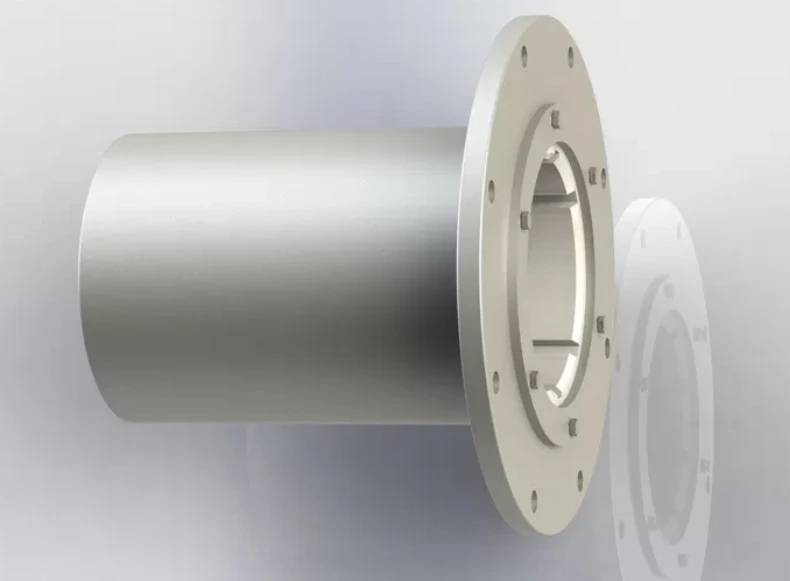
Shipping carries most of the world's goods, and it is now expected to do so with a lighter footprint. Fuel efficiency, emissions, and ocean protection all feature in the conversation, and owners are looking at every part of the propulsion system for improvements. The stern tube bearing may seem like a small piece of the puzzle, but it plays a meaningful role in both environmental performance and operating cost. Techemer's water-lubricated bearing technology offers one practical step toward more sustainable propulsion, combining oil-free operation with durable materials and straightforward maintenance.
Why Propulsion Systems Are Under the Spotlight
Regulators, charterers, and the public increasingly expect ships to operate cleanly. Discharges of oil, even in small quantities, attract attention and can result in penalties. At the same time, rising fuel costs and carbon targets push owners to reduce friction, weight, and waste wherever possible. The propulsion shaft line is a natural focus, since it connects engine to propeller and carries high loads continuously. Any improvement that lowers pollution risk or maintenance burden contributes to a more sustainable operation. Seen this way, bearings are not just mechanical parts but part of a vessel's environmental and economic strategy.
The Environmental Advantage of Water Lubrication
The clearest sustainability benefit of water-lubricated bearings is the absence of lubricating oil. Because the surrounding water serves as the lubricant, there is nothing harmful to leak from the stern tube. This removes a long-standing source of pollution risk and simplifies compliance with environmental rules. As one of the dedicated marine bearing suppliers in this field, Techemer focuses on technology that supports this approach. Fewer oil systems also mean less oil to purchase, store, and dispose of, which reduces waste throughout the vessel's life and makes engine-room routines simpler for crews.
Durability as a Sustainability Strategy
Making components last longer is one of the most effective ways to reduce environmental impact. Each replacement requires materials, energy, transport, and often a dry-dock visit. Bearings that resist wear and maintain performance over long intervals reduce this cycle. Techemer's polymer alloys are designed for abrasion resistance and stable operation, helping extend service life. Predictable wear also lets owners replace bearings at the right moment, avoiding both premature disposal and risky overuse. When durability and planning work together, resource consumption falls, costs drop, and the ship spends more time doing productive work rather than waiting in a repair yard.
Simpler Systems and Lower Maintenance Burden
Sustainability is also about practical simplicity. Oil-lubricated stern tubes need tanks, pumps, coolers, seals, and monitoring equipment, all of which require attention and eventually replacement. Water-lubricated systems can reduce this complexity, leaving fewer components to maintain. Simpler systems tend to be easier for crews to understand and service, which lowers the chance of human error. They can also reduce weight and space requirements in some installations. Less complexity means fewer failure points and less waste, supporting both environmental and operational goals. These quieter benefits often matter just as much as the headline advantage of eliminating oil.

Supporting Compliance and Corporate Goals
Many shipping companies now publish environmental targets and report on their progress. Technologies that reduce pollution risk and improve efficiency help them meet those commitments with credible, practical measures. Water-lubricated bearings fit neatly into such plans, because their benefits are easy to explain and verify. Techemer can provide technical information to support documentation and discussions with classification societies, charterers, and port authorities. While no single component can transform a fleet's environmental performance, a series of sensible improvements adds up. Choosing oil-free bearings is one clear, measurable step that owners can take today.
Looking Ahead to Cleaner Shipping
The direction of the industry is clear: stricter rules, higher expectations, and growing demand for transparency. Propulsion systems that are cleaner, simpler, and more durable will be better prepared for that future. Techemer's advanced water-lubricated technology reflects this direction, combining engineering experience with an environmentally responsible approach. For owners planning new builds or retrofits, considering bearing technology early in the design process can unlock benefits that are harder to achieve later. Building sustainable propulsion is a long journey, but thoughtful choices at the shaft line help move vessels steadily toward a cleaner, more efficient future.


Comments
Post a Comment