The Role of Eco-Friendly Materials in Lulu Toy Car's Electric Animal Scooter Production
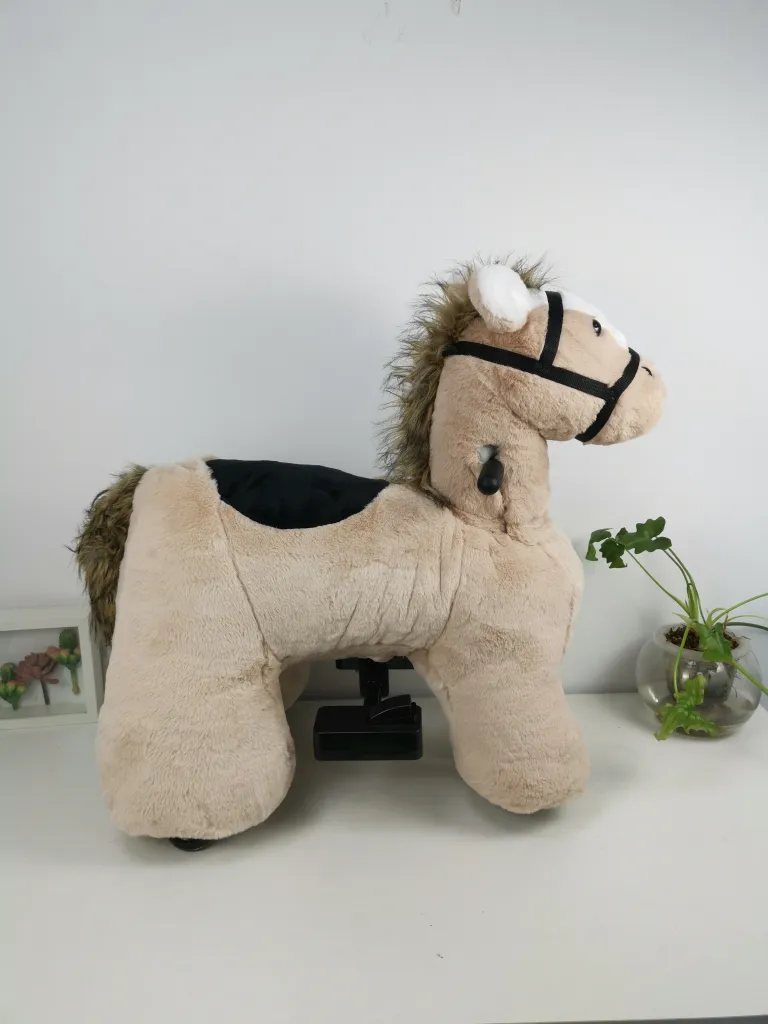
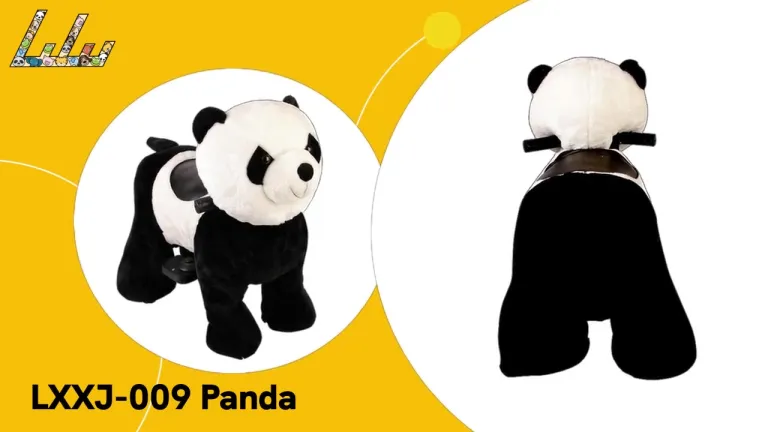
Parents and venue operators increasingly ask what children's products are made from and what happens to them afterward. The concern is understandable. Toys are handled constantly, often put near faces, and eventually discarded in large numbers. At the same time, ride-on equipment is bulkier and longer-lasting than ordinary toys, so material choices have a bigger effect. Manufacturers are slowly responding with more thoughtful options, though claims need careful examination. The plush rides from Lulu Toy Car mention several materials on their product page, including environmentally friendly PU wheels, high-grade fabrics, and PP cotton filling. Here is a balanced look at how eco-friendly thinking applies to the production of an electric animal scooter.
What the Product Page Says
Public information is specific on a few points. The rides use high-grade plush fabrics with PP cotton filling, detachable and washable jackets, and PU wheels described as environmentally friendly. The power source is a six-volt, four-amp-hour lead-acid battery. These details give a partial picture of materials but leave many questions open, such as fabric certifications, recycling options, and battery disposal procedures. Buyers who care about environmental performance should ask for detailed material information instead of relying on a general phrase. A reliable supplier will explain what the materials are, what standards they meet, and how they should be handled at the end of their life.
Durability as the First Eco-Friendly Step
The most effective environmental measure is making products last. A ride that remains in service for many years prevents the waste and resource use of repeated replacement. Washable, detachable jackets support this by allowing covers to be cleaned or replaced instead of discarding the whole ride. Simple mechanical design makes repairs easier. Operators can extend life further through regular cleaning, careful handling, and prompt repair of small faults. With about twenty years in the business, the manufacturer has had time to see which designs endure. Buyers should ask about common wear parts and their availability, since replaceable parts make long-term use realistic.
Fabrics, Filling, and Wheels
Material choices carry trade-offs. Plush fabrics provide softness and appeal but are often synthetic, and cleaning them uses water and detergent. PP cotton filling is lightweight and washable but is a plastic-based material. PU wheels can be quieter and gentler on floors than hard plastic, and they are described here as environmentally friendly, though the meaning of that phrase should be clarified. Honest evaluation means asking suppliers what is recycled, what is recyclable, and what is not. Where possible, choose materials with documented safety and environmental information. Be cautious about vague claims, because a green label without evidence offers little real assurance.
Batteries and Responsible Disposal
Batteries deserve special attention. Lead-acid batteries are widely recycled in many regions, but only if they are collected and processed properly. Operators should arrange for old batteries to be returned to authorized recyclers and never discard them with ordinary waste. Ask the supplier about battery life expectations, replacement procedures, and compatible alternatives. Proper charging habits also extend battery life, reducing waste. Because runtime is about two hours per charge and charging takes eight to ten hours, planning rotation and avoiding unnecessary deep discharge can help batteries last longer. Responsible battery management is a practical, tangible way for operators to reduce the environmental impact of their rides. The same thinking applies when you review an electric animal scooter model for your own venue.
Communicating Honestly with Customers
Families appreciate venues that care, but they quickly lose trust when claims seem exaggerated. If you highlight eco-friendly features, be precise. Mention washable covers, long-lasting design, and responsible battery recycling if you actually practice them. Avoid sweeping statements that you cannot support with documents. Ask your supplier for material information and certificates, and keep them on file. The company's main website mentions ISO9001, CE, and EN71, which relate to quality and safety, but these are not environmental labels, so describe them accurately. Honest, modest communication builds credibility, and small steps taken consistently usually matter more than big claims made loudly.


Comments
Post a Comment